
Overview
October to February is the best time to visit Purulia, when temperatures range between 12°C and 25°C, offering dry trails, clear skies, and comfortable conditions for exploring Ajodhya Hills, Baranti Circuit. Late February brings the Palash bloom, painting the region in fiery red and orange.
- Best overall season: Winter (October–February), 12°C–25°C
- Best for photography: Late February–March (Palash flower bloom)
- Best for waterfalls: Monsoon (July–September)
- Cheapest travel window: Summer (April–June)
- Avoid for trekking: Monsoon (slippery trails) and peak summer (extreme heat)
Introduction
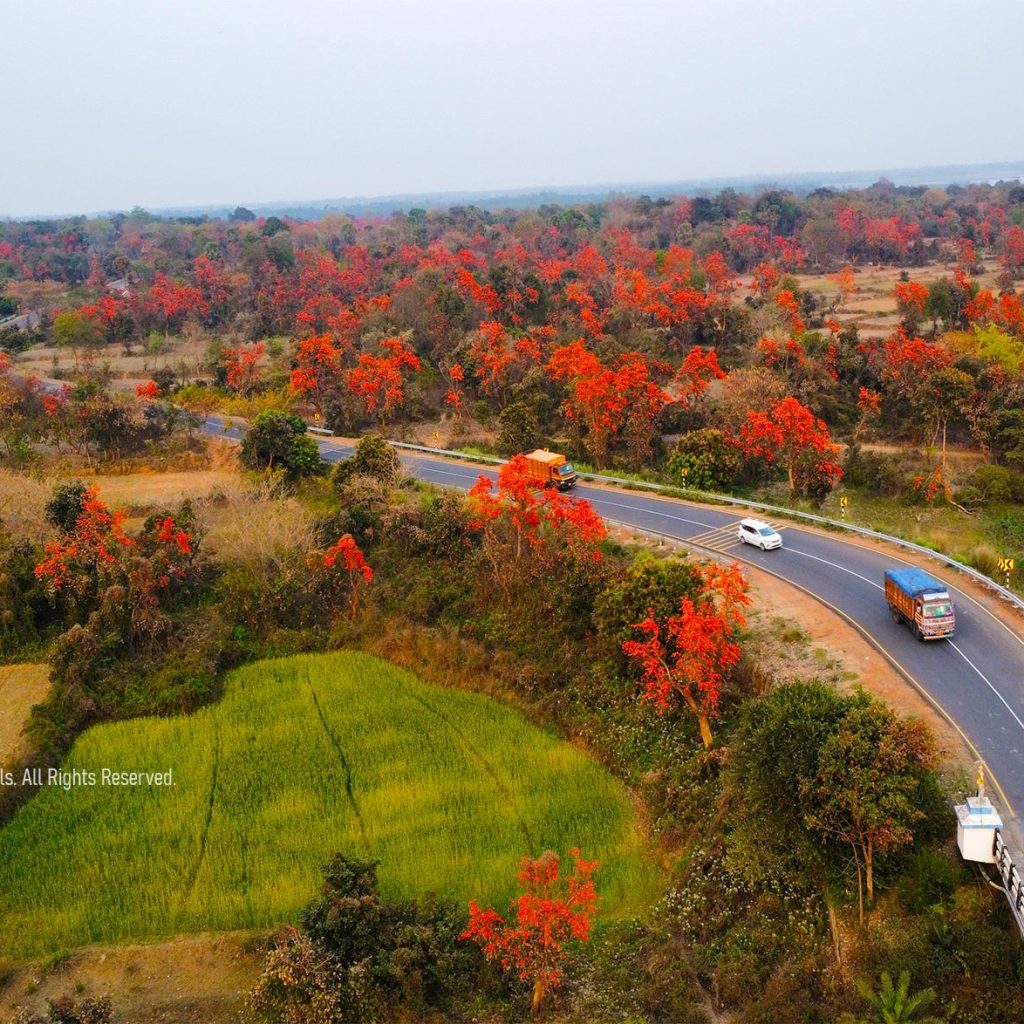
Every year, as October winds down and the first cool breeze rolls in from the plains, Purulia starts filling up. Kolkata families booking weekend getaways, photographers chasing the Palash bloom, trekkers eyeing Ajodhya Hills before the summer heat sets in. There’s a rhythm to how people travel here, and once someone understands that rhythm, planning a trip stops feeling like guesswork.
Purulia isn’t a destination that behaves the same way all year round. This is “Lal Matir Desh”, the land of red soil, and its personality shifts with the seasons almost as dramatically as its landscape does. A hillside that looks parched and dusty in May turns lush and waterfall-fed by August, then bursts into flame-red Palash blooms by February. Timing the visit right makes the difference between a forgettable trip and one worth remembering.
This guide breaks down exactly when to go, what each season actually offers, and how to plan around it.
When Is the Best Time to Visit Purulia?
The best time to visit Purulia is between October and February, when cool, dry weather makes sightseeing, trekking, and cultural exploration comfortable. This period covers major festivals, clear valley views, and easy access to Ajodhya Hills, and Baranti Circuit.
Here’s how that window breaks down month by month:
- October–November: Post-monsoon freshness, greenery still visible, temperatures easing down
- December–January: Peak winter, festival season, coldest nights of the year
- February-March: Palash bloom begins, days turn warmer, transitional shoulder season
Purulia Weather by Month: Season-Wise Breakdown

Winter in Purulia (October to February)
Winter is Purulia at its most welcoming. Daytime temperatures sit comfortably between 12°C and 25°C, while nights can dip as low as 3°C to 5°C in December and January, especially around the hills. Dry trails and clear skies make this the ideal stretch for trekking Joychandi Pahar, exploring Ajodhya Hills, or spending a quiet evening bird watching at Saheb Bandh Lake.
This is also when Purulia’s cultural side comes alive. Tribal festivals like Tusu and Bandna fill the villages with music and color, and evenings at local hotels often wind down with a bonfire and barbecue under a genuinely starry sky.
The catch: this is peak season. Hotels, cars, and guides book up fast, and prices climb accordingly. Anyone planning a December or January trip should lock in accommodation well ahead of time, not the week before.
Quick take: Best weather and best culture, but plan early or risk paying more for less choice.
Spring, or Palash Season, in Purulia (Late February to March)
This is the season Purulia is quietly famous for. Palash and Shimul trees burst into deep red and orange blooms, turning entire hillsides into a natural canvas. Mornings stay cool, afternoons warm up, and the light during this stretch is exactly what photographers wait all year for.
It’s a shorter window than winter, so travelers chasing the bloom should track local updates closer to the date rather than locking in a fixed itinerary months in advance.
Summer in Purulia (April to June)
Summer is Purulia’s off-season, and for good reason. Temperatures regularly cross 40°C, and outdoor sightseeing during the day becomes genuinely uncomfortable. That said, this is also when hotel rates drop and popular spots empty out.
Travelers who don’t mind restructuring their day around the heat, sightseeing early morning or late afternoon, sticking to air-conditioned transport, can still have a good trip here, and often at half the cost of a winter visit.
Quick take: Budget-friendly and crowd-free, but only workable with a heat-conscious itinerary.
Monsoon in Purulia (July to September)
Monsoon transforms Purulia completely. The hills turn a deep, saturated green, and waterfalls like Bamni Falls and Turga Falls run at full, thundering strength. Misty roads and cloud-covered valleys give the region a completely different, almost dreamlike character compared to its dry-season look.
It’s a favorite among offbeat travelers and couples looking for something quieter and greener. The tradeoff is practical: trekking trails get slippery and risky, some rural roads turn muddy, and driving through fog needs extra caution.
Quick take: Stunning visuals and low crowds, but not the season for ambitious trekking plans.
Ajodhya Hills: Best Time to Visit
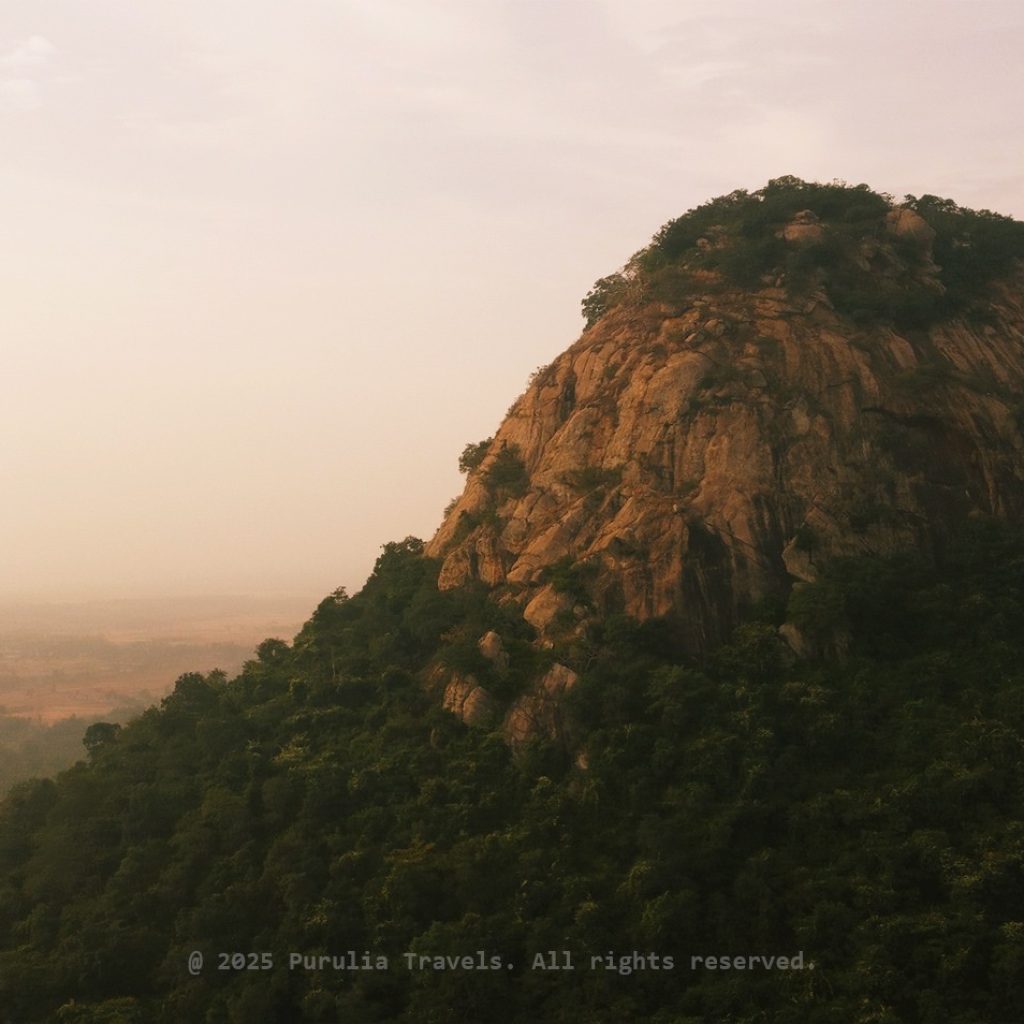
Ajodhya Hills follows the same broad pattern as the rest of Purulia, but elevation makes winter mornings here even sharper. November through February remains the sweet spot, with dry trekking conditions and clear sunrise views over the hills. Late February into March adds the Palash bloom into the mix, making it one of the most photogenic times to visit this particular stretch.
How to Plan a Purulia Trip Around the Seasons
The right itinerary depends less on the calendar and more on what a traveler actually wants out of the trip.
- Chasing festivals and culture: Plan for December or January
- Chasing the Palash bloom: Target the last week of February into early March
- Chasing waterfalls: Aim for August, when monsoon flow peaks
- Traveling on a tight budget: Go in May or early June, and structure the day around the heat
A standard 2-day trip comfortably covers the main tourist spots of the Ajodhya Hills Circuit and the full Baranti Circuit. A 3-day trip allows time to also cover the outer stretches of Ajodhya Hills, places like Murguma Dam, Suicide Point, Khairabera Dam, and Pardi Dam, since these sit a bit further out compared to the more popular spots in the area. The extra day also allows for a slower, more relaxed pace, which works especially well during winter’s festival season when there’s more happening on the ground.
Local Food and Culture to Experience Season-Wise
Purulia’s cultural and culinary calendar changes with the seasons just as much as its landscape does, and timing a visit right means catching festivals, dance performances, and seasonal produce at their best.
Winter: Festivals, Chhau Dance, and Harvest Flavors
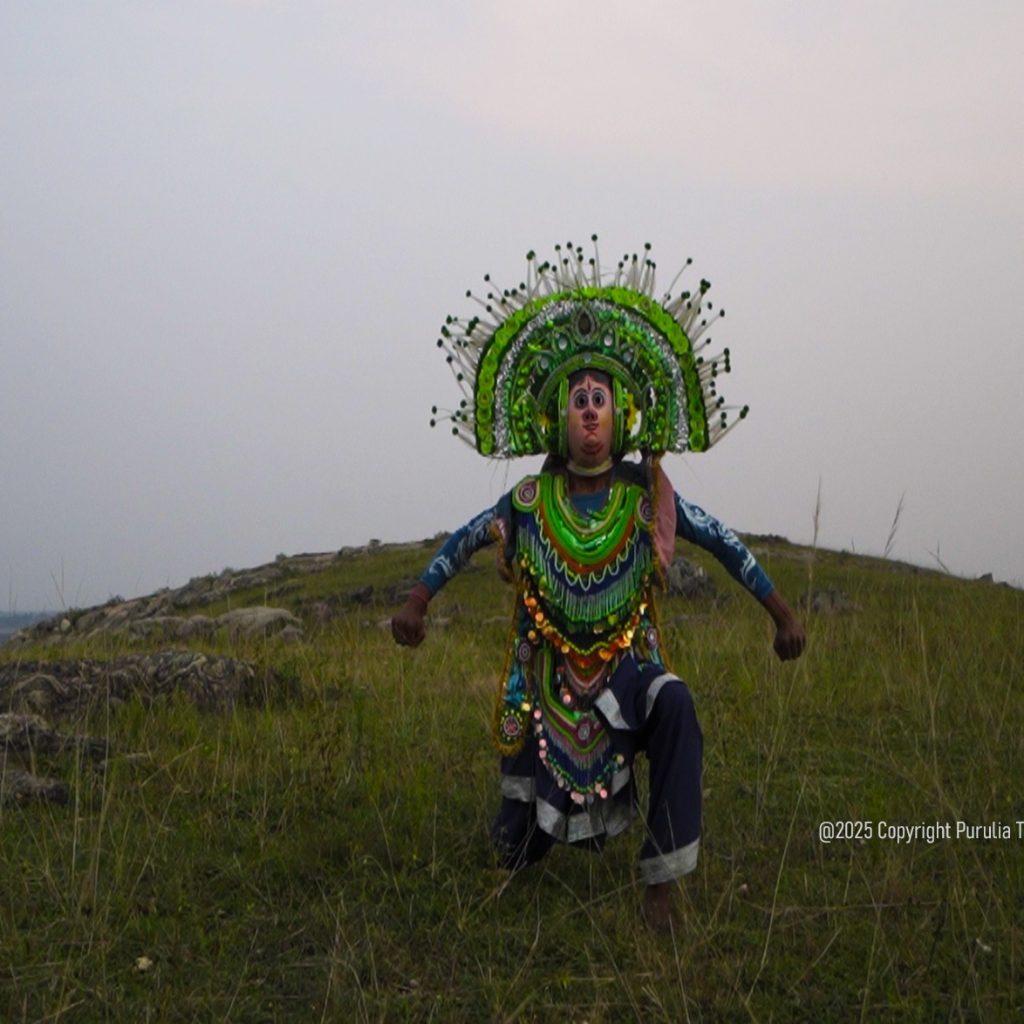
Winter is when Purulia’s cultural identity is on full display. The Tusu Parab festival runs through mid January, filling villages with music and celebration, and this season also sees early Chhau dance performances in select villages ahead of the main Chaitra Parva season. Tribal cuisine is at its richest during this time too, since most local dishes are cooked around freshly harvested ingredients. Khejurer Gur (date palm jaggery) and traditional sugarcane jaggery are both harvested in winter, and their rich natural sweetness shows up in many festive sweets during this period.
Spring: Chaitra Parva and the Chhau Dance Season
Come late February and into Chaitra (typically March–April), Purulia’s most iconic cultural event takes over: Chhau dance performances tied to the Chaitra Parva festival. This UNESCO-recognized masked martial dance, native to Purulia, combines combat-style movement with mythological storytelling, and performances often run through the night in open village grounds. Charida village, at the foothills of Ajodhya Hills, is where most of these elaborate masks are handmade, and it’s worth a visit even outside festival season to watch artisans at work. The Lahoriya Shiva Temple near the Lower Dam is another spot where cultural and spiritual sightseeing overlap well during this season. This period also lines up with the Palash bloom, so travelers get striking red hillsides alongside the performances.
Summer: Mangoes and Local Markets
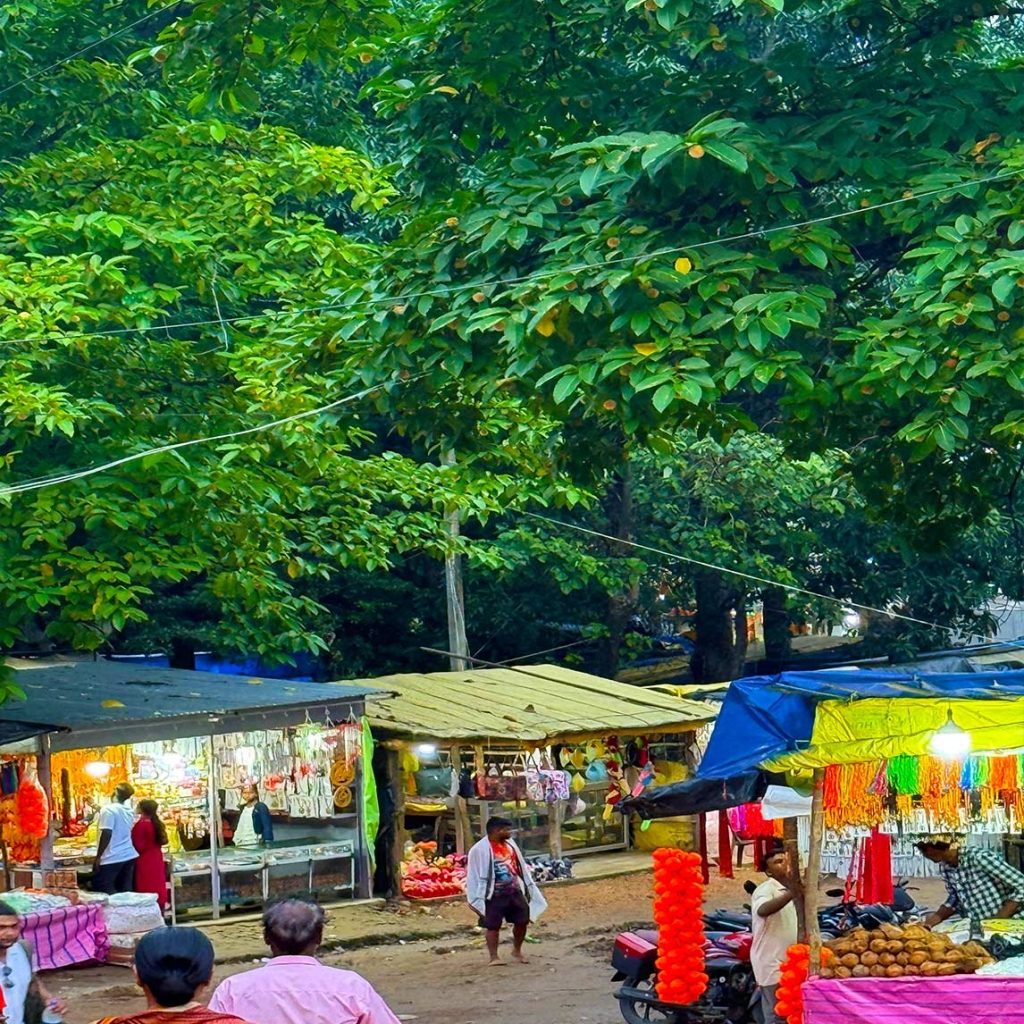
Summer brings a shift toward fresh fruit, and mangoes turn up everywhere in and around Ajodhya Hills during this season. It is also a good time to explore village markets at a slower pace, since the off-season crowd thins out considerably.
Year-Round Local Specialties Worth Trying
Beyond the seasonal highlights, a few dishes and drinks define Purulia’s food culture no matter when someone visits:
- Pithas: traditional rice cakes made in sweet and savory versions, often filled with jaggery, coconut, or lentils, especially common during festivals
- Handia: a mildly alcoholic fermented rice beer central to tribal celebrations
- Mahua: a fragrant spirit distilled from Mahua flowers, closely tied to local social gatherings
- Bhabhra Bhaja: a crispy gram flour snack still found in a few village shops
- Nikhuti: a festive sweet made from milk solids and flour
- Fried red ants: a traditional tribal delicacy prepared with spices, valued locally as a natural protein source
Together, these seasonal shifts and year-round specialties give visitors a genuine sense of how deeply Purulia’s food and culture are tied to its land and its calendar.
Safety and Travel Tips for Each Season
- Winter: Pack heavy for cold nights, especially through December and January, and drive carefully through morning fog near the hills.
- Summer: Stay hydrated, avoid midday sightseeing, and prioritize AC accommodation and transport. The best sightseeing windows are early morning between 6 am and 10 am, and evening between 4 pm and 7 pm.
- Monsoon: Purulia is fully safe from landslides during monsoon, but a few basic precautions still help. Stick to well marked trails, carry rain protection, and wear comfortable waterproof shoes rather than leather ones. Roads leading to the major tourist spots stay well maintained even in the rains, so checking conditions mainly matters for rural or offbeat stretches away from the main circuit.
Purulia Season-Wise Travel Comparison
| Season | Months | Temperature | Best For | Estimated Cost | Travel Ease |
| Winter | October to February | 5°C to 25°C | Trekking, festivals, sightseeing | High (Peak Season) | Excellent |
| Spring (Palash Season) | Late February to March | 18°C to 30°C | Photography, nature walks | Moderate | Good |
| Summer | April to June | 28°C to 40°C | Budget travel, quiet sightseeing | Low (Off Season) | Fair (Heat Limited) |
| Monsoon | July to September | 25°C to 30°C | Waterfalls, lush greenery, offbeat travel | Low to Moderate | Fair (Trail Caution) |
Final Word
There’s no single “right” time to visit Purulia, only the right time for what a traveler actually wants to see. Winter delivers the best all-round experience with festivals, dry trekking trails, and comfortable weather. Late February rewards those chasing the Palash bloom. Monsoon suits travelers after quiet, green, waterfall-heavy landscapes. Summer works for anyone traveling on a budget who doesn’t mind planning around the heat.
Once the season is picked, the next step is locking in the details, stays, transport, and a route that actually makes sense for the time of year. Purulia Travels has been helping travelers do exactly that, with curated tour packages, verified stays, and reliable car rentals built around the local calendar, not a generic template.
Ready to plan a Purulia trip around the right season? Browse tour packages, stays, and car rentals at Purulia Travels and get started.
Frequently Asked Questions
1. What is the best month to visit Purulia?
December and January generally offer the most comfortable weather in Purulia, along with major tribal festivals like Tusu and Bandna. Anyone wanting the fullest cultural experience should aim for this window.
2. Is Purulia good to visit in monsoon?
Yes, particularly for waterfalls and greenery. Bamni Falls and Turga Falls run at their fullest between July and September, and the hills turn a deep, lush green. The tradeoff is slippery trekking trails and occasionally muddy rural roads, so it suits relaxed sightseeing more than serious trekking.
3. How many days are enough for a Purulia trip?
A standard 2-day trip comfortably covers the main tourist spots of the Ajodhya Hills Circuit along with the full Baranti Circuit. A 3-day trip allows time to also cover the outer stretches of Ajodhya Hills, places like Murguma Dam, Suicide Point, Khairabera Dam, and Pardi Dam, since these sit a bit further out compared to the more popular spots in the area. The extra day also allows for a slower, more relaxed pace, which works especially well during winter’s festival season when there’s more happening on the ground.
4. What is the best time to visit Ajodhya Hills?
November through February, when dry conditions make trekking easiest and sunrise views over the hills are at their clearest. Late February into March adds the bonus of the Palash bloom across the surrounding landscape.
5. Is Purulia safe to visit during summer?
It can be, with the right precautions. Temperatures often cross 40°C, so outdoor sightseeing should be limited to early mornings or late afternoons, with AC transport and plenty of hydration in between.